
Contents
In order to maintain smooth and safe traffic flow, it is imperative to respect the rules on stopping and parking prohibitions, which aim to prevent vehicles from constituting an obstacle or danger to other road users.
B. Essential rules concerning stopping and parking
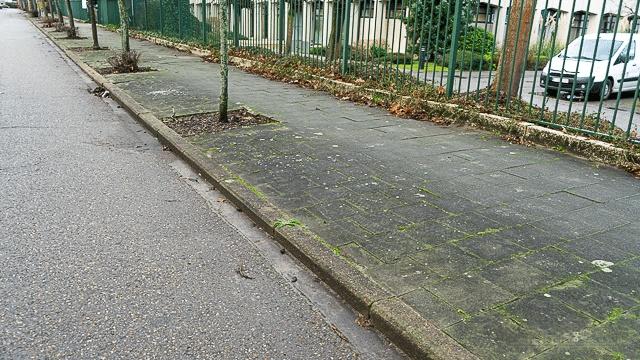
Pavements
It is strictly forbidden to stop or park on pavements, as this creates a danger and inconvenience for other users.
Cycle paths
Stopping and parking are prohibited in order to prevent any risk or inconvenience for users of these lanes.
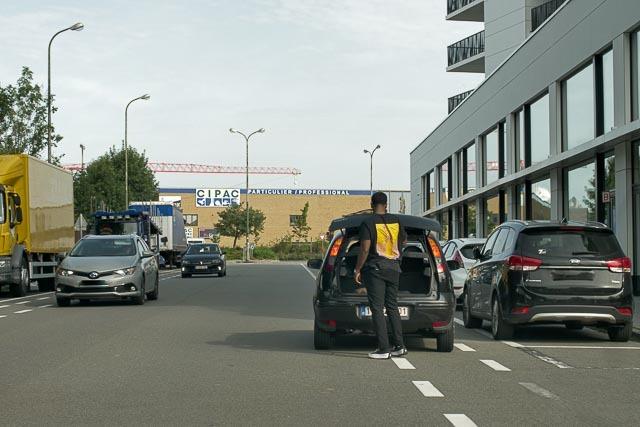
Pedestrian, cyclist and two-wheeled moped crossings
Stopping and parking are prohibited on these crossings and also within 5 metres upstream, only on the carriageway and not on verges, to ensure safety.
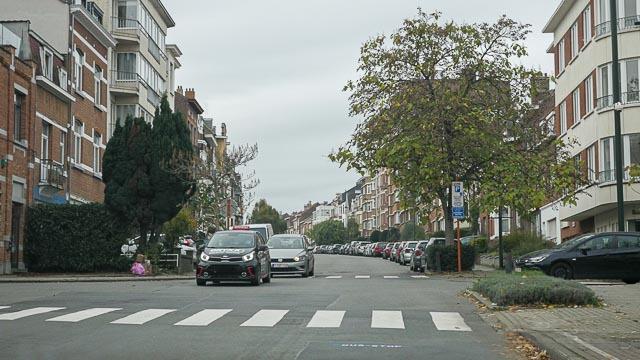
Raised verges in built-up areas
Stopping and parking are prohibited there, unless otherwise indicated by local regulations.

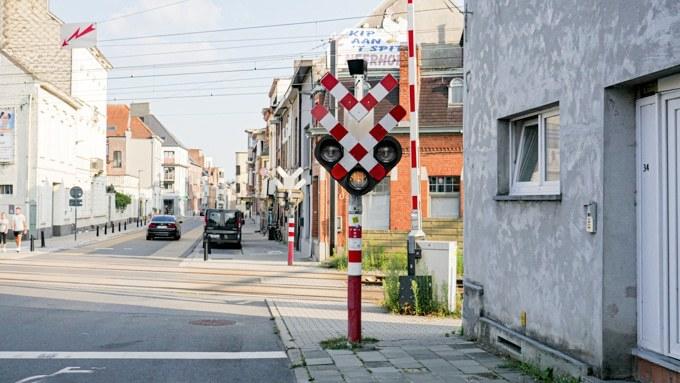
Level crossings
To protect users, it is forbidden to stop or park at level crossings.
Traffic islands and avoidance zones
It is forbidden to stop or park in these zones so as not to obstruct traffic.
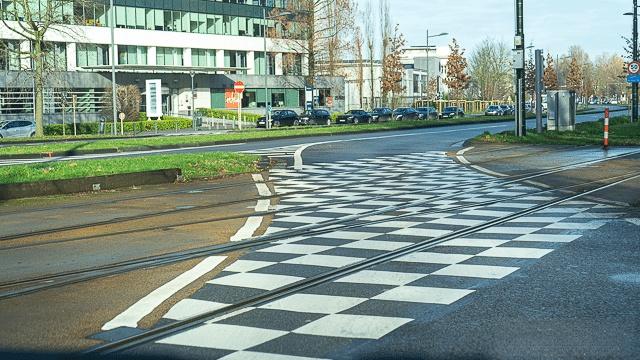
Chequered road markings
To avoid any obstruction or danger, stopping and parking are prohibited on areas marked with a chequer pattern.
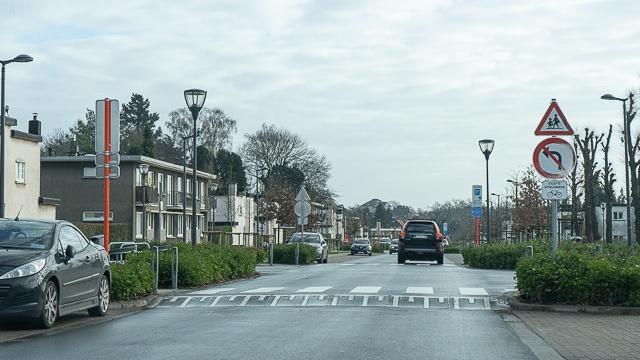
Raised devices
To avoid obstructing traffic and to ensure safety, it is forbidden to stop or park on raised devices.
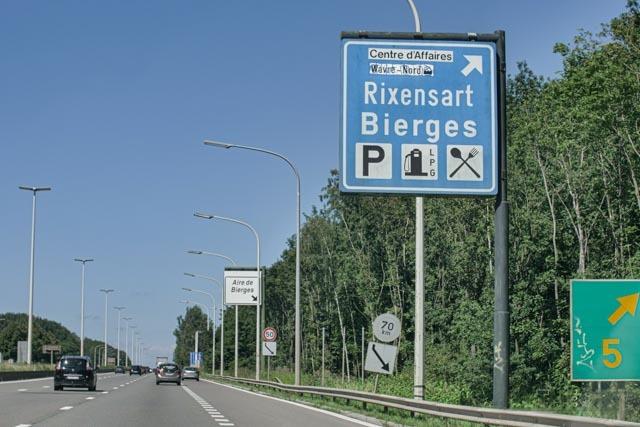
Motorways and roads for motor vehicles
On motorways and expressways, stopping and parking are prohibited except in car parks indicated by E9a.
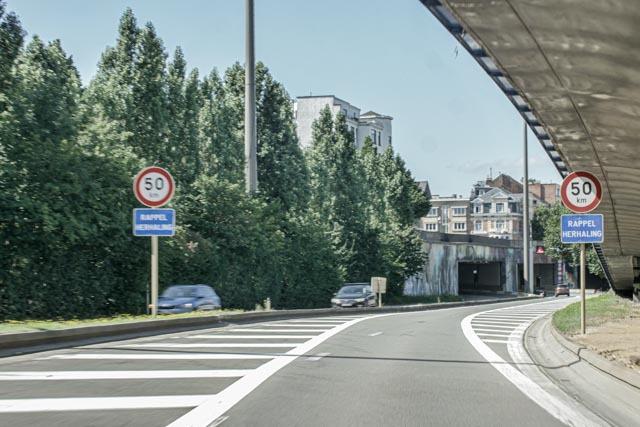
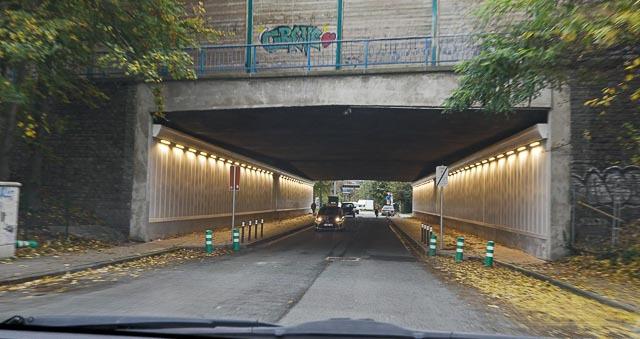
Carriageways under bridges and in tunnels
To prevent any danger, it is imperative not to stop or park under a bridge or in a tunnel.
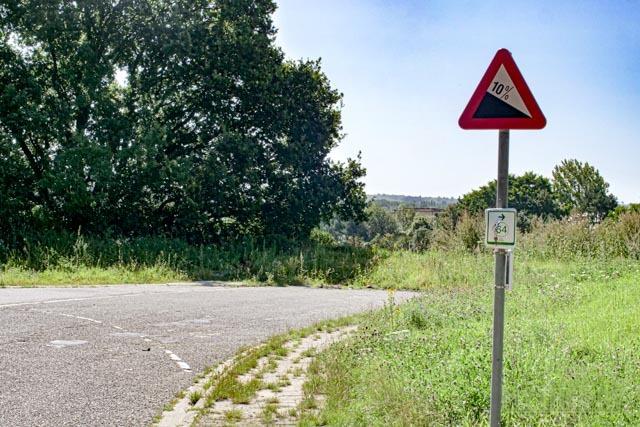
Prohibition near a blind bend or at the top of a hill
To avoid obstructing visibility and traffic, stopping or parking near a blind bend or at the top of a hill is prohibited.
Respecting stopping and parking prohibitions is crucial for road safety and traffic flow. By avoiding parking in sensitive areas such as pavements, cycle paths or pedestrian crossings, every driver contributes to a safer and more accessible driving environment.