
Contents
Overtaking is a delicate manoeuvre that requires particular attention to guarantee the safety of all road users. This chapter details the situations where overtaking is prohibited, in order to prevent the risks of accidents linked to unfavourable visibility or traffic conditions.
G. Prohibition of overtaking
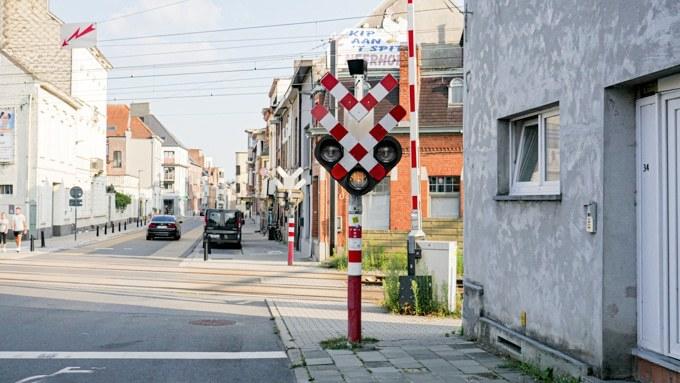
Overtaking at a level crossing
It is forbidden to overtake on the left at a level crossing unless it is fitted with barriers and/or lights.
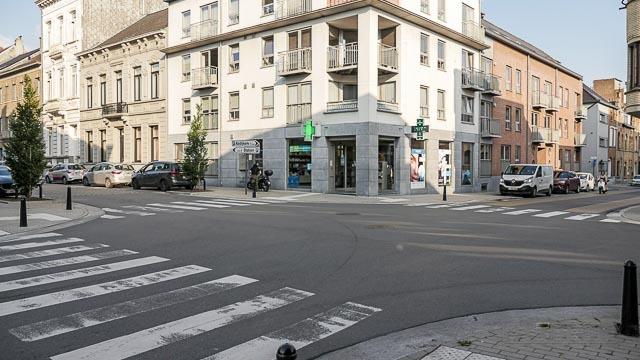
Overtaking at intersections with priority to the right
It is forbidden to overtake on the left at an intersection where priority to the right applies.
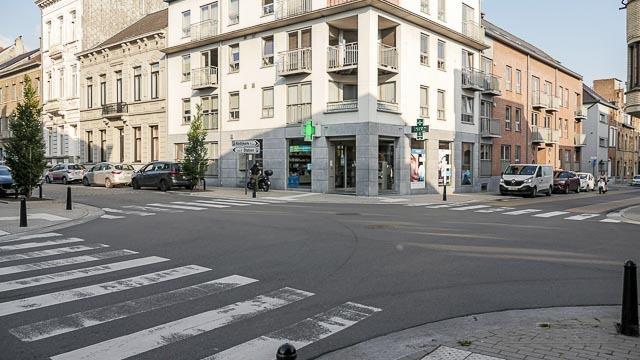
Overtaking at regulated intersections
Overtaking is permitted at an intersection where traffic is regulated by an authorised officer, traffic lights or road signs.
Overtaking at intersections where you must give way
It is forbidden to overtake at intersections where you must give way with an inverted triangle or a STOP sign.

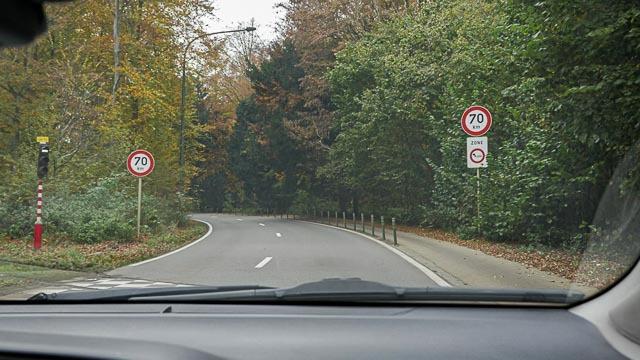
Overtaking near a blind bend and at the top of a hill
It is forbidden to overtake near a blind bend and at the top of a hill unless there is a continuous white line separating the two directions of traffic.
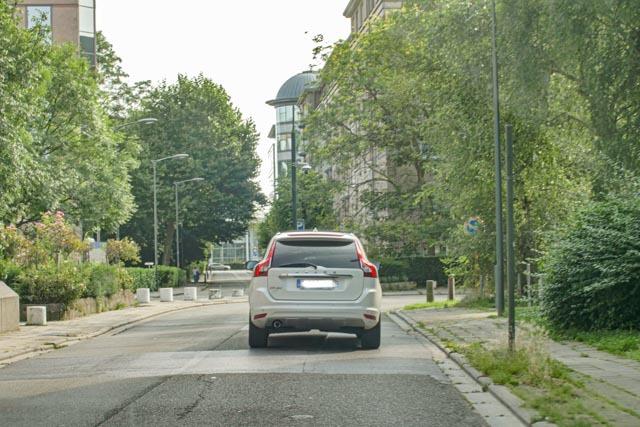
Overtaking permitted in certain blind bends or hills
Overtaking is permitted on a one-way carriageway or a two-way carriageway with 4 or more lanes with at least 2 lanes for each direction of traffic.
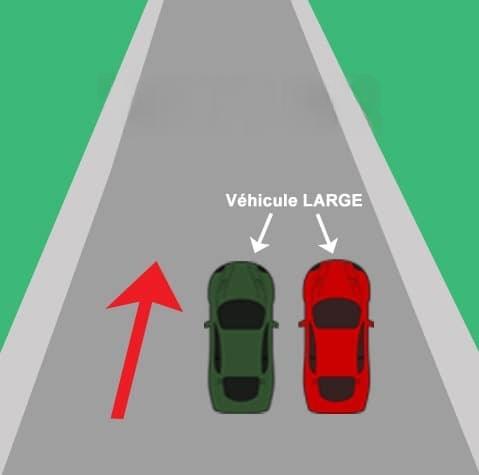
Prohibition of overtaking a vehicle that is overtaking a wide vehicle
It is forbidden to overtake a car that is overtaking a wide vehicle, regardless of the nature of the wide vehicle, and it is forbidden to triple-overtake.
Respecting overtaking prohibitions is essential for safe driving that is respectful of others. Knowing these rules helps avoid dangerous situations and contributes to smooth traffic flow and road safety.