
Contents
Passing oncoming traffic is a frequent situation on the road where two vehicles travel in opposite directions on the same road. It involves precise rules to guarantee the safety of all road users and avoid collisions.
E. Passing oncoming traffic
Passing oncoming traffic
This is the meeting of two vehicles travelling on the same road in opposite directions.
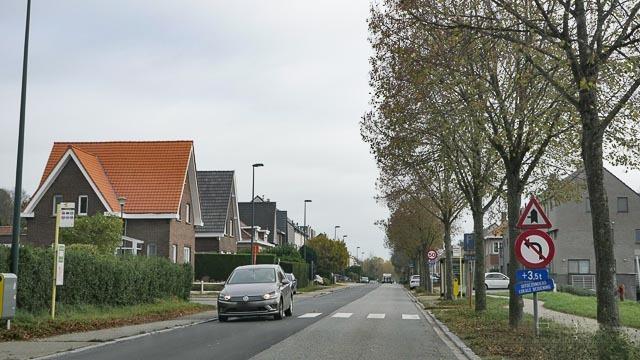
General rules for passing
Passing always takes place on the right. When passing a vehicle, leave sufficient lateral distance and if necessary keep to the right. The highway code does not specify a precise distance when passing a motor vehicle.
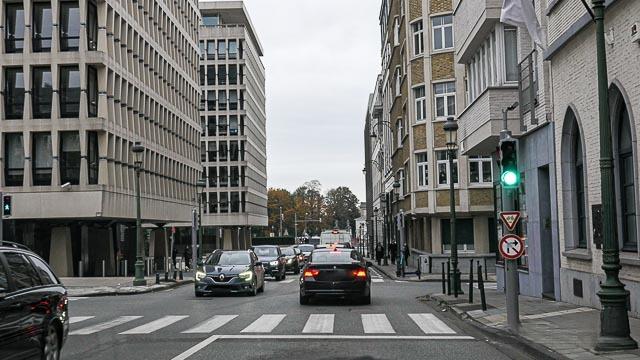
Behaviour when facing an obstacle or stationary vehicle
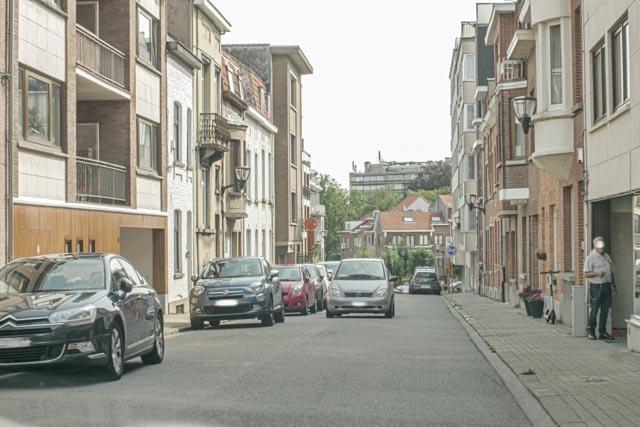
A driver who encounters a fixed obstacle, a stationary or parked vehicle, or roadworks must slow down, and if necessary stop, in order to give way to drivers coming from the opposite direction.
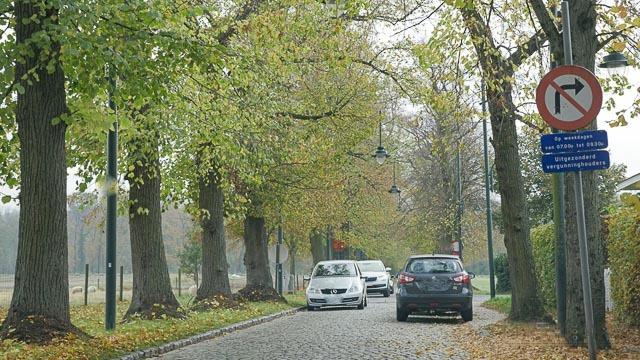
Passing on a carriageway that is too narrow
When the carriageway is too narrow to pass, you may use the level verge provided you do not endanger the road users on it.
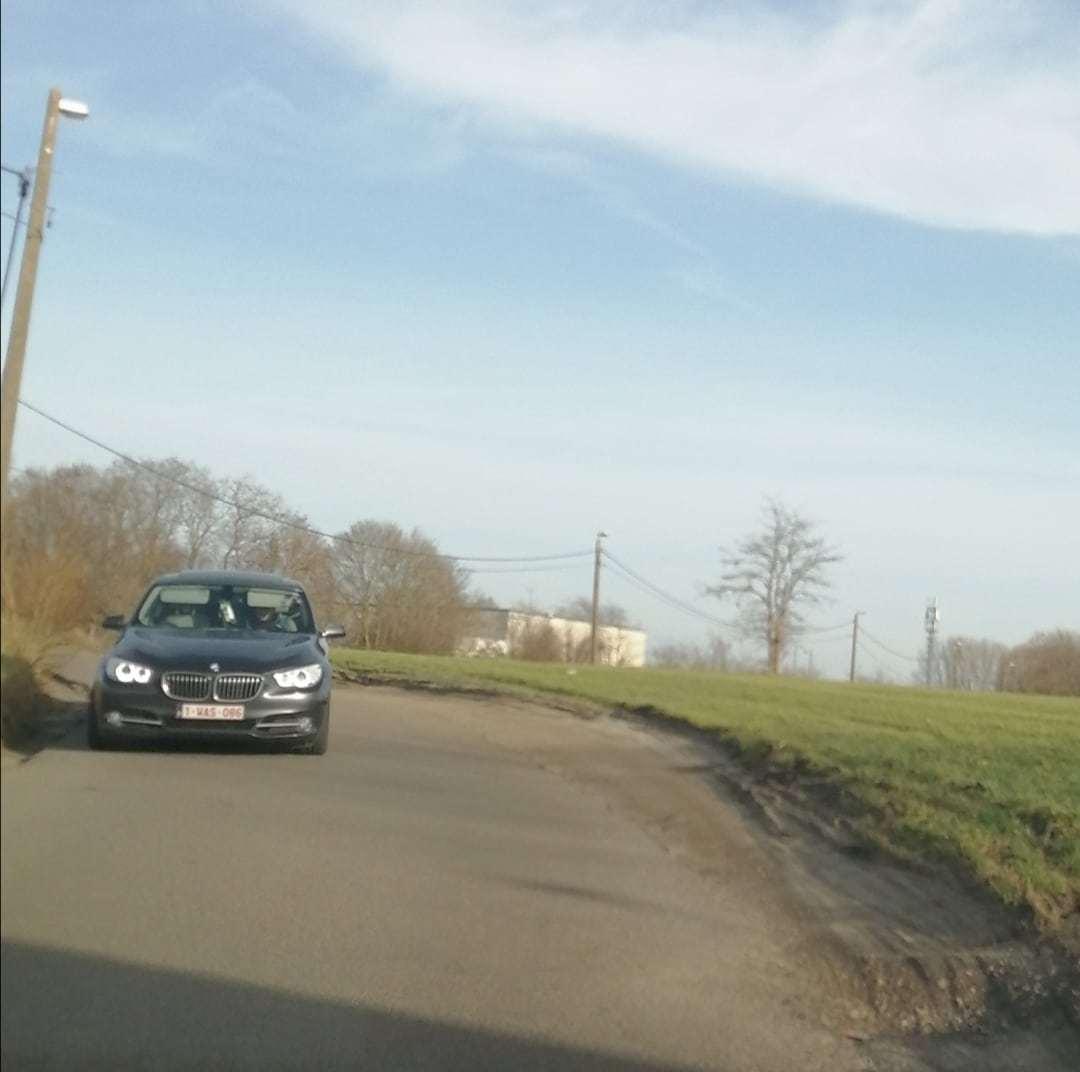
Prohibitions when passing
It is forbidden to drive on the pavement, cycle path and raised verge when passing vehicles.
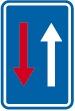
Priority signs on narrow carriageways
If the carriageway is too narrow to pass and there are priority signs regulating traffic, you must comply with these signs.
Mastering the rules for passing oncoming traffic enables safe driving, particularly by respecting distances, priorities and adapting behaviour when facing obstacles or narrow carriageways. Compliance with these rules contributes to smooth traffic flow and road safety.