
Contents
Mastering driving techniques is essential for safe and efficient driving. It begins with a proper seating position, understanding the vehicle's controls, and relies on safety systems to anticipate emergency situations.
I. Driving technique
Driving position
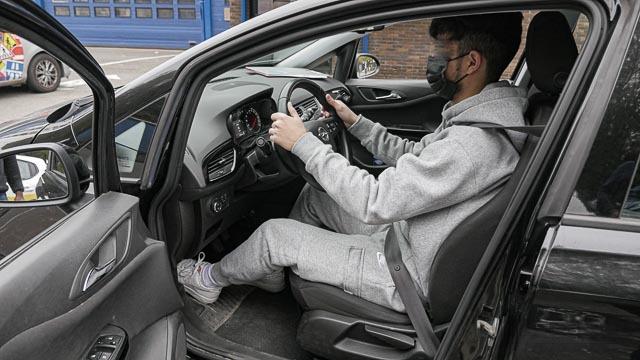
Hands must be placed on the steering wheel in the 09:15 or 10:10 position. Arms and legs slightly bent, back against the seat. A maximum distance of 5 cm between the back of the head and the headrest. Never grip the steering wheel from the inside.
The pedals
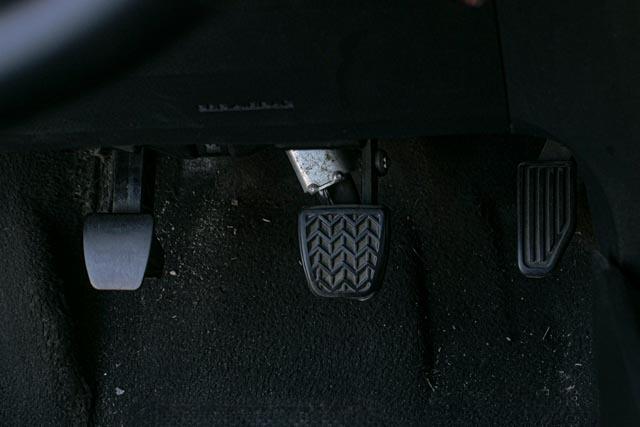
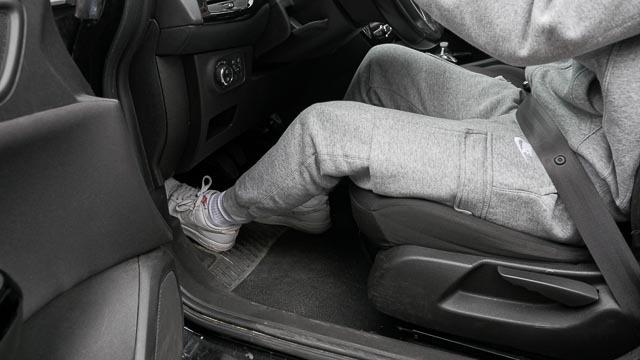
From left to right: The clutch allows gear changes and prevents stalling. The brake to slow down or stop the vehicle. The accelerator to go faster. To change gear, you must declutch. Declutching means pressing the clutch pedal, thus cutting the transmission of engine power to the wheels. Engaging the clutch means releasing the clutch pedal and transferring engine power to the wheels.
The gearbox
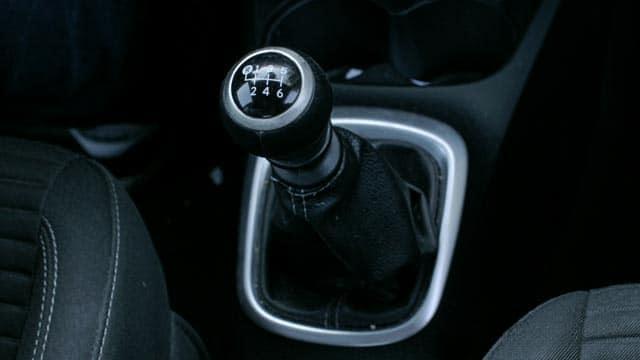
Controls the speed at which the engine turns. This is called the engine speed, measured in revolutions per minute. Too high an engine speed leads to high fuel consumption. Too low an engine speed leads to a lack of power and high consumption. The engine speed must be neither too high nor too low, by adapting gears to the situation. A diesel vehicle's engine speed is 2,000 rpm. A petrol vehicle's engine speed is 2,500 rpm.
ABS: Anti-lock braking system
Prevents wheel lock-up during emergency braking. If the ABS warning light is on, it means the system has been deactivated due to a braking circuit malfunction.

Engine braking
This occurs when you stop accelerating and the vehicle brakes using the engine. For this, the vehicle must be in motion with a gear engaged. Do not switch off the engine or put it in neutral while the vehicle is moving. Pressing the clutch pedal cancels engine braking.
Adopting proper driving techniques not only preserves the safety of the driver and passengers but also optimises vehicle performance while reducing fuel consumption. Attentive and regular practice of these principles is the key to responsible and controlled driving.