
Contents
Eco-driving aims to reduce the environmental impact of vehicles by understanding how they work, the emissions they produce, and the technical and behavioural solutions to limit pollution and fuel consumption.
D. Eco-driving
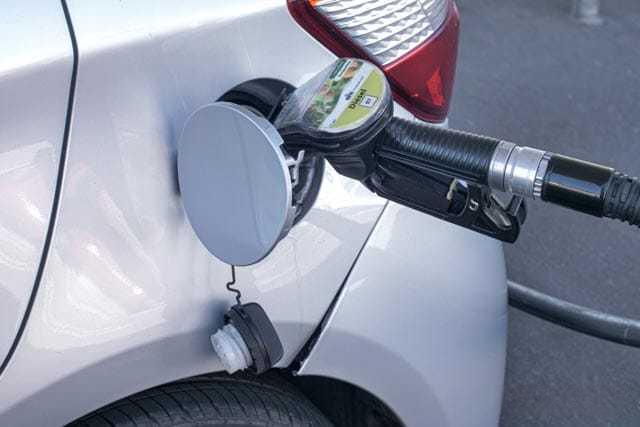
Different types of engines
LPG engines reduce CO2, carbon monoxide and nitrogen oxide emissions; petrol engines emit few nitrogen oxides and particulates but consume more and emit more CO2; diesel engines emit less CO2 and CO but more particulates and consume less. Hybrid vehicles combine a combustion engine and an electric motor to reduce emissions. Electric vehicles are the most ecological as they run solely on electricity.
Low emission zones
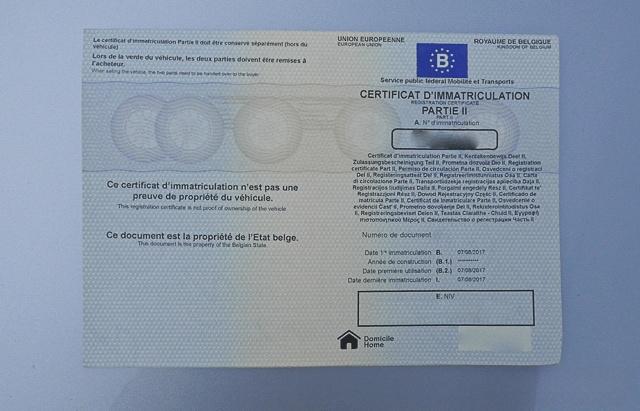
Low emission zones prohibit access to the most polluting vehicles, mainly old diesel vehicles that degrade air quality and health.
Car sharing
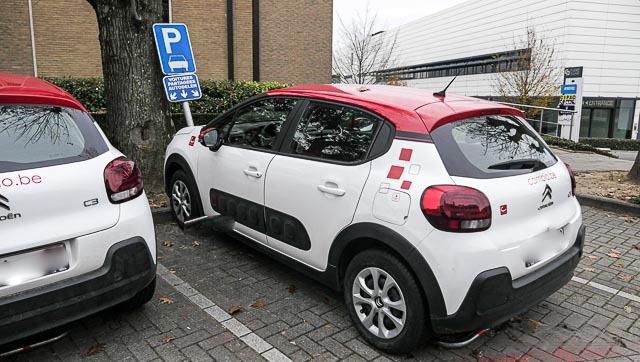
The subscription system allows car rental by the hour, day or longer, ideal for occasional use with specific reserved spaces.
Adopting eco-driving means choosing responsible modes of transport, optimising the maintenance and use of your vehicle, and favouring sustainable alternatives to preserve air quality and our health while contributing to the fight against climate change.