
Contents
The road is shared by a wide variety of vehicles, each with its own characteristics and, in some cases, requiring a specific licence to drive. This classification of vehicles is essential for understanding the rules that apply to each of them in terms of traffic and road safety. From mopeds to lorries, including electric scooters and horse-drawn vehicles, let us discover the different types of vehicles found on our roads.
Vehicle types
Class A mopeds
Engine capacity: 50 cc (cubic centimetres), Speed: 25 km/h, Number of wheels: 2 to 3, No licence required, Registration plate starts with SA
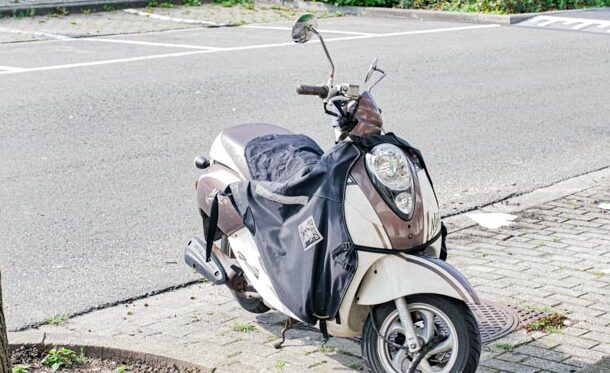
Class B mopeds
Engine capacity: 50 cc (cubic centimetres), Speed: 45 km/h, Number of wheels: 2 to 4, AM licence, Registration plate starts with SB
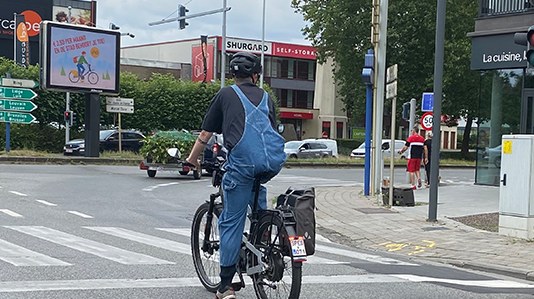
Speed pedelecs
Electric bicycle with a power output exceeding 250 watts, classified as a moped, Speed: 45 km/h, AM licence, Registration plate starts with SP
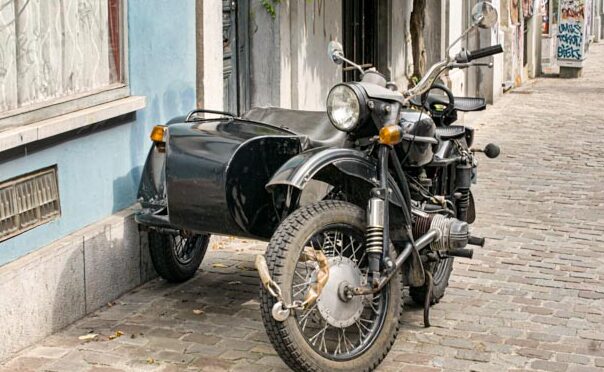
The motorcycle (or motorcycle with sidecar)
Motor vehicle with 2, 3 or 4 wheels, with or without sidecar. May be coupled to a trailer. Engine capacity greater than 50 cc. A, A1 or A2 licence
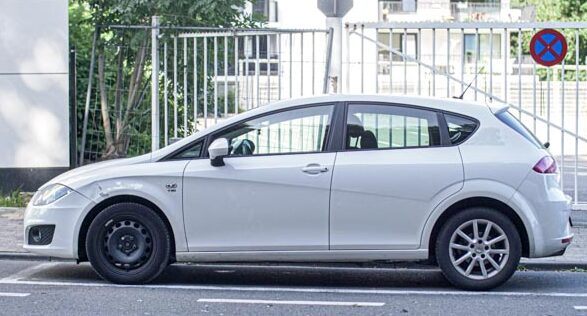
The car
Four-wheeled vehicle powered by a combustion engine (petrol, electric, gas, etc.), used for the land transport of persons. Maximum 8 passenger seats + 1 seat for the driver. B licence
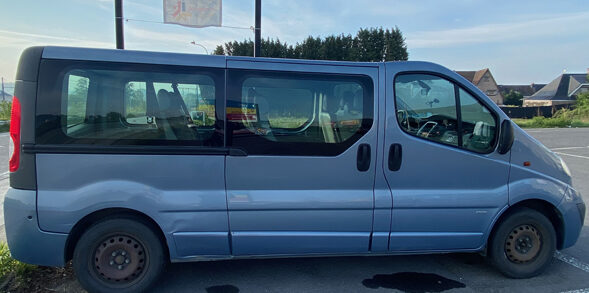
The minibus
Land passenger transport vehicle. Maximum 16 passenger seats + 1 seat for the driver. D1 licence
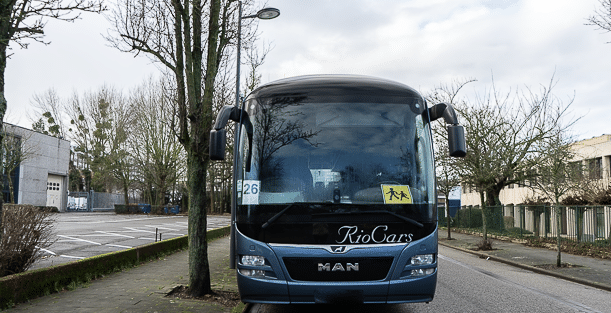
The bus or coach
Land passenger transport vehicle. More than 16 passenger seats. D licence
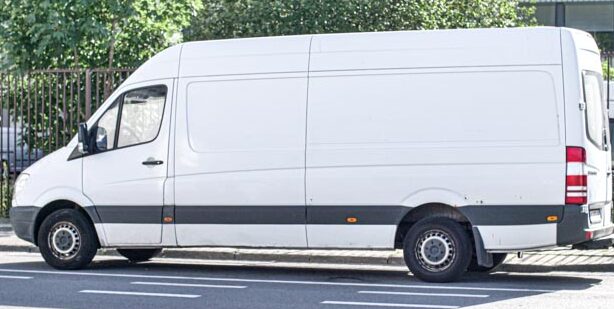
The van
Goods transport vehicles with a maximum authorised mass of 3.5 tonnes or less. B licence
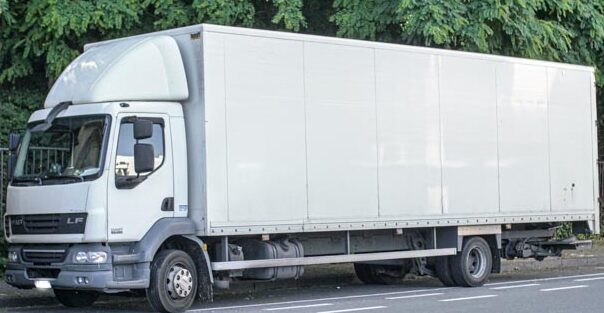
The lorry
Goods transport vehicles with a maximum authorised mass exceeding 3.5 tonnes. C licence
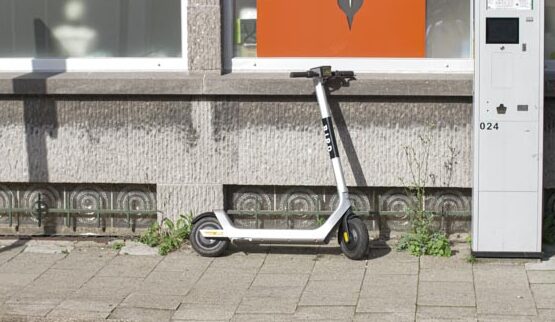
The scooter
The electric scooter is fitted with an electric motor
Understanding the different vehicle categories is fundamental for every driving licence candidate. Each vehicle type has its own technical specifications, speed limits and licence requirements. This knowledge will not only help you pass your theory test but also adopt appropriate and safe driving behaviour, taking into account the characteristics and limitations of each road user.