
Contents
The safety of pedestrians on public roads is an essential concern for all drivers. To ensure a harmonious sharing of space between vehicles and pedestrians, it is crucial that drivers adopt an attitude of caution and responsibility, respecting clear rules regarding their behaviour towards pedestrians, groups and processions.
Behaviour towards pedestrians, groups and processions
Driver caution towards pedestrians on the pavement
The driver must exercise extra caution and must not endanger pedestrians on a pavement, a part of the public road reserved for pedestrian traffic by sign D9 or D10, a verge or a traffic island.
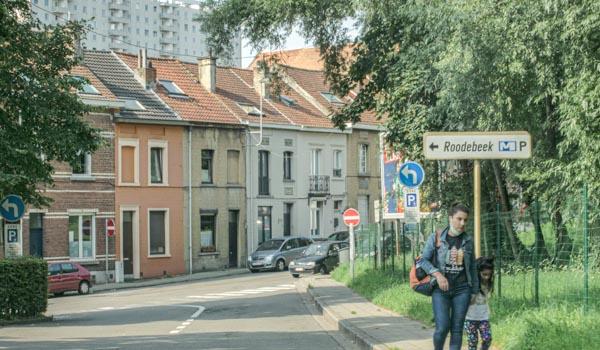
Driver caution towards signposted pedestrians
Drivers must exercise caution towards pedestrians on a public road signposted by signs F99a or F99b or designated as a play street, in a residential or shared zone, or in a pedestrian zone.
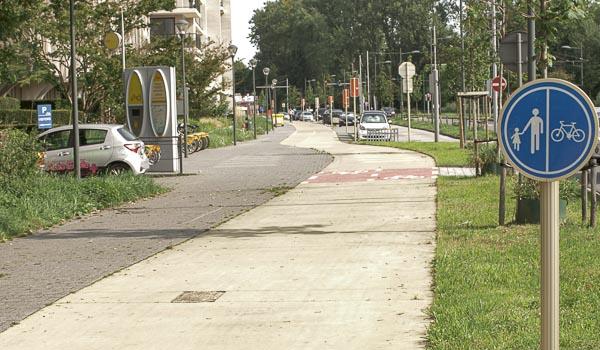
Pedestrian crossing
The driver must give way to a pedestrian on or about to step onto a pedestrian crossing. Pedestrians are not obliged to cross at the pedestrian crossing if there is none within 20 metres.

Pedestrians circumventing obstacles
When a pedestrian must go around an obstacle and ends up on the carriageway, a lateral distance of at least 1 metre in built-up areas (1.5 metres outside built-up areas) must be maintained. If this is not possible, drivers must proceed at walking pace or stop if necessary.

In conclusion, observing traffic rules in favour of pedestrians is not only a legal obligation but also an act of civic responsibility that contributes to making our living spaces safer. Every driver has a responsibility to ensure the safety of all road users, particularly those who travel on foot.