
Contents
Road safety requires knowing how to react correctly in the event of a breakdown or accident. Here are the essential rules to know for managing these emergency situations while ensuring your safety and that of other road users.
Behaviour in case of breakdown and accident
Road users
The driver of a broken-down or accident-involved vehicle must: park the vehicle as if stationary, signal with a warning triangle if immobilised near a prohibited area, switch on the hazard lights or place a flashing amber light
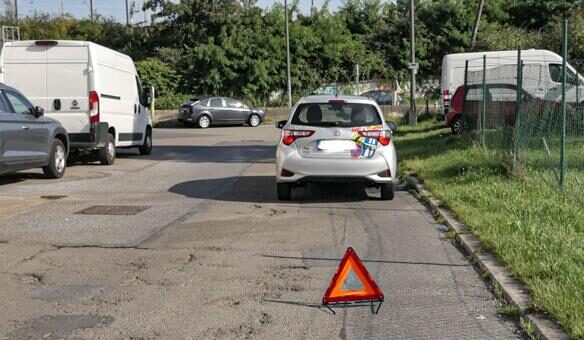
Warning triangle
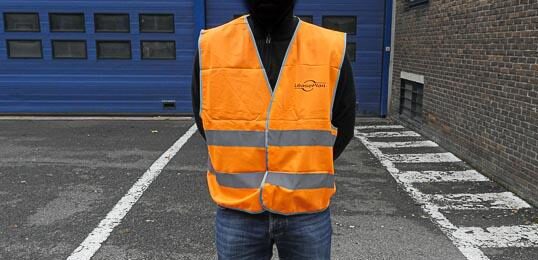
Placement: minimum 30m in built-up areas and on ordinary roads, 100m on motorways. Must be visible from 50m. Shorter distance permitted in built-up areas. On motorways: wear a reflective vest, do not wait inside the vehicle, use call boxes every 2km, call 101 for breakdowns, 100/112 for accidents
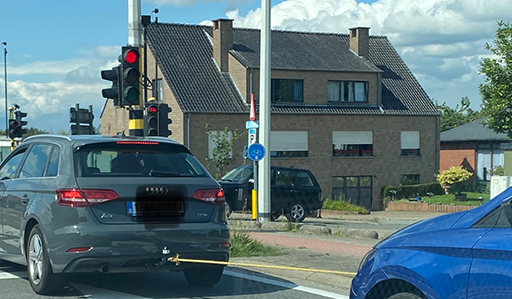
Occasional towing
Secure attachment required. If more than 3m: signal with a red cloth and illuminate at night. Prohibited on motorways. Maximum speed 25 km/h
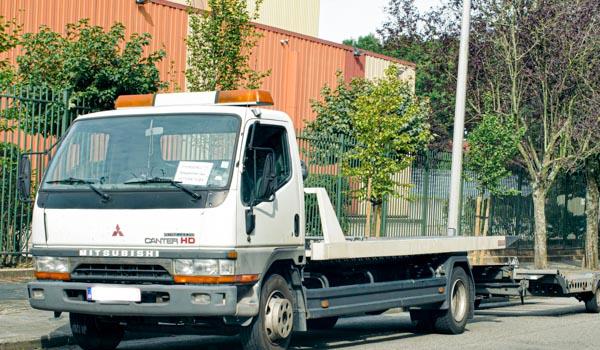
Moving the vehicle
If the driver is absent/refuses/unable: an authorised officer may move the vehicle and its load. On motorways: automatic removal. At the driver's risk and expense
Accident with material damage
Move vehicles if possible after marking positions, remain at the scene for the report, call an officer in case of disagreement, file a report at the police station if the officer is absent, leave contact details if the other party is absent
Accident with injuries
Do not move vehicles or injured persons, provide assistance, do not give food or drink, do not remove a motorcyclist's helmet, report by an authorised officer is compulsory, 24 hours for declaration if the officer is absent
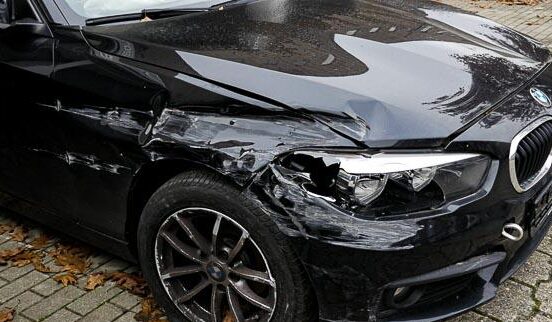
In the event of a breakdown or accident, it is crucial to remain calm and apply the appropriate safety procedures. The priority is always to protect the persons involved and prevent secondary accidents, while observing the legal obligations regarding reporting and declaration.