

| Aspects | Description |
|---|---|
| Definition | A downside market is characterized by a prolonged decline in asset prices, usually by 20% or more. |
| Causes | Generalised pessimism, securities liquidation, economic weakening. |
| Duration | Can last several weeks, months, even years. |
| Impact | Affects the economy and investors negatively. |
| Strategies | Long-term investment, diversification and risk management. |
Bear Market : Definition and Features
One bear market is a period in which stock prices or stock indices fall significantly, generally by 20% or more compared to their recent peaks. This phenomenon is often accompanied by widespread pessimism among investors, massive securities liquidation and a declining economy. Bear markets can affect all markets or indices, but also specific stocks or commodities if they experience similar declines over a prolonged period, usually of two months or more.
The causes of a bear market can be varied, including economic factors such as recession, high interest rates, or geopolitical events. Investors must be careful during a bear market, as increased volatility and potential losses can be significant. However, these periods can also offer buying opportunities for those looking to invest in the long term.
It is crucial to understand that bear markets are an integral part of economic and stock exchange cycles. They are often followed by bull markets, where prices go up and optimism returns to the markets. To navigate effectively in a bear market, investors can adopt strategies such as portfolio diversification, investment in defensive assets, or the use of derivatives to cover themselves against potential losses.
Causes and Consequences of a Bear Market
The causes of a bear market often include adverse economic factors such as recession, high interest rates, or geopolitical crises. These factors can lead to lower investor confidence, lower consumer spending, and a general economic contraction.
The consequences of a bear market are varied. For investors, this often means significant losses in their portfolios, increased volatility, and uncertainty about the economic future. For the economy, a bear market can lead to lower output, higher unemployment, and reduced business investment. Understanding these dynamics is essential to effectively navigate a bear market.
Bear Market Investment Strategies
Navigating a bear market requires appropriate investment strategies. Portfolio diversification is crucial to reducing risks. Investing in defensive assets, such as bonds or stable corporate shares, can offer some protection against losses.
Investors may also consider using derivatives to cover themselves against market declines. The progressive purchase of shares at reduced prices can also be an effective strategy for those with a long-term vision. Finally, keeping informed of economic conditions and market trends is essential to making informed decisions.
| Aspects | Description |
|---|---|
| Definition | Period of significant decline in stock prices or indices. |
| Causes | Recession, high interest rates, geopolitical crises. |
| Consequences | Losses for investors, increased volatility, economic impact. |
| Strategies | Diversification, defensive assets, hedge with derivatives. |
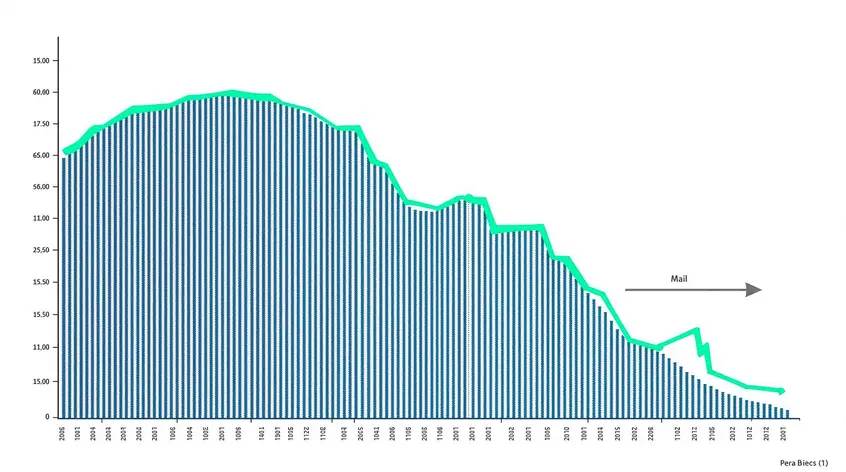
Impacts of a Bear Market
One bear market is characterised by a prolonged fall in share prices, usually 20% or more compared to recent peaks. This often leads to lower investor confidence and a weakening of the economy. The impacts of a bear market are multiple and affect both the global economy and individual investors.
Economic effects
A bear market can have a significant impact on the economy. Declining stock prices reduce household wealth, which can lead to lower consumption. Companies can also be affected, as the decline in the value of their shares may limit their ability to raise funds. Moreover, a bear market is often accompanied by an increase in unemployment, as companies seek to reduce costs in the face of declining demand.
Impacts on investors
For investors, a bear market is a major challenge. Lower equity prices can lead to significant losses, especially for those who have invested in the short term. However, for long-term investors, a bear market can offer buying opportunities at reduced prices. It is crucial for investors to remain informed and not give in to panic, adopting investment strategies adapted to these difficult conditions.
In summary, although bear markets are often perceived as negative, they can also offer opportunities for those who are willing to navigate cautiously in these tumultuous waters.
Economic effects
A bear market can have a significant impact on the economy. Declining stock prices reduce household wealth, which can lead to lower consumption. Companies can also be affected, as the decline in the value of their shares may limit their ability to raise funds. Moreover, a bear market is often accompanied by an increase in unemployment, as companies seek to reduce costs in the face of declining demand.
Impacts on investors
For investors, a bear market is a major challenge. Lower equity prices can lead to significant losses, especially for those who have invested in the short term. However, for long-term investors, a bear market can offer buying opportunities at reduced prices. It is crucial for investors to remain informed and not give in to panic, adopting investment strategies adapted to these difficult conditions.
| Aspects | Impact |
|---|---|
| Economy | Reduced consumption, increased unemployment |
| Investors | Short-term losses, long-term opportunities |

FAQ
What is a bull and bear market?
What is a bull and bear market?
A bull market references to a period where stock prices are laughing or are expected to rise, characterized by investor confidence and expectations of strong future financial performance. Conversely, a bear market is when stock prices are false or expected to fall, often added by widepread pessimism and a quick of investor confidence.
Is a bear market good or bad?
Is a bear market good or bad?
A bear market is generally considered bad for investors as it indicators a decline in stock prices, leading to potential losers. However, it can also present buying opportunities for long-term investors who can purchase stocks at lower prices.
Should you buy in a bear market?
Should you buy in a bear market?
Buying in a bear market can be attractive if you have a long-term investment strategy. Stocks are typically cheap, and buying during a downturn can lead to significant gains when the market recovers. Ever, it’s important to research and choose stocks wisely.
What is bear in stock market?
What is bear in stock market?
In the stock market, a ‘bear’ references to an investor who believes that market prices will decline and may take actions such as selling stocks or short selling to profit from the anticipated drop.
How do I recognize a bear market?
How do I recognize a bear market?
A bear market is recognized by a prolonged decline in stock prices, usually 20% or more compared to recent peaks, accompanied by a general feeling of pessimism among investors.
Why Bull Market?
Why Bull Market?
The term ‘bull market’ is used because the bulls attack by raising their horns upwards, symbolizing the rise in prices. Bears, on the other hand, attack by sweeping down, symbolizing lower prices.