Sommaire
Driving under the influence poses a major danger on the road. Whether it is alcohol, drugs or certain medications, these substances impair the driver's abilities and significantly increase the risk of accidents. It is essential to know the rules surrounding checks, blood alcohol limits and the legal consequences of these offences.
Driving under the influence
Where can you be checked?
You can be checked in a public place, including places accessible to the public whether private or not, such as a paid car park, a nightclub car park, and the public road.
Intoxication
Intoxication is a state where a person no longer has permanent control of their actions without necessarily having lost consciousness, following the consumption of alcohol, drugs or medications. Symptoms: apparent state, euphoria, excitement, disinhibition, poor assessment of situations, loss of motor coordination, longer reaction time. Temporary driving ban of 12 hours.

Medications
Certain medications cause drowsiness, reduced reflexes, impaired judgement, euphoria, aggressiveness, vision or coordination disorders, dizziness. Temporary driving ban of 12 hours.
Drugs
Driving under the influence of narcotics can impair driving. Drugs concerned: cannabis, amphetamine, morphine, cocaine. Temporary driving ban of 12 hours.
Steps of the procedure
- Standardised checklist: the officer checks whether the driver shows physical signs of drug use, then may conduct a saliva test. 2. Saliva test: sample and analysis, if positive, saliva or blood analysis, temporary driving ban of 12 hours. 3. Saliva or blood analysis: confirmation of result, possibility of counter-expertise, judicial implications if positive.
Blood alcohol level
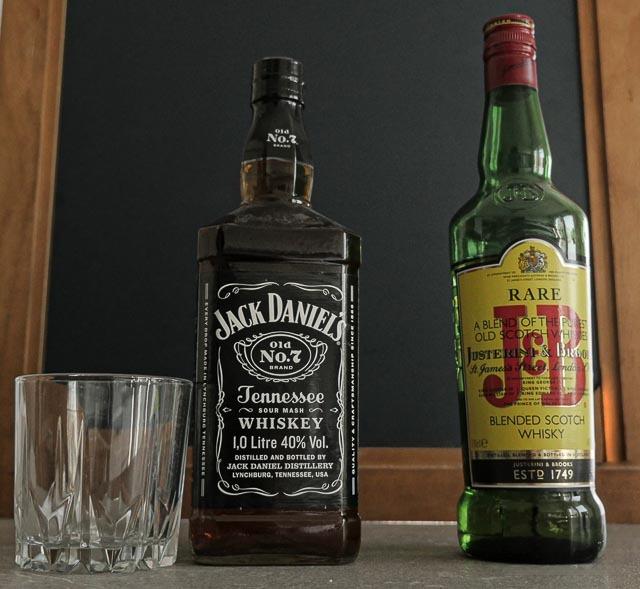
Blood alcohol level corresponds to the alcohol content in the expired alveolar air or in the blood. Tests carried out by an authorised officer in a public place (public road, car park). Imposed on the driver, instructor, person involved in an accident, or about to drive. Since 1 May 2024, the breath test is immediately compulsory.
The breath test
Results coded SAP: Safe (OK), Alert (positive 1st degree), Positive (positive 2nd degree). In case of an A or P result, breath analysis with an ethylometer. Thresholds: